What Are the Best Places to Visit Near the Taj Mahal?
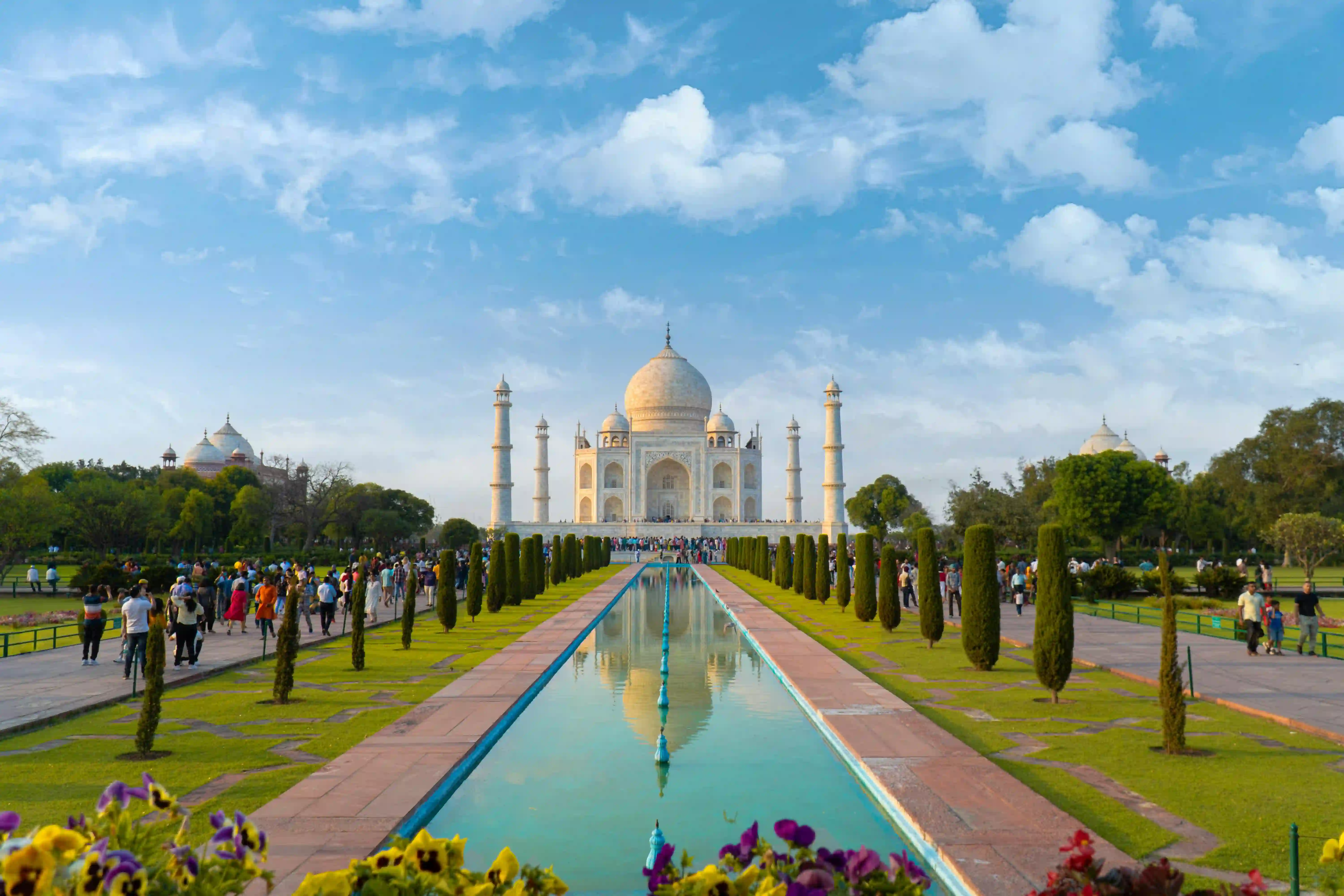
Agra is much more than a single monument. While millions of travelers come to see the Taj Mahal, the city and its surrounding area offer an impressive collection of Mughal-era architecture, historic forts, peaceful gardens, colorful markets, and cultural experiences. If you are planning a trip to Agra, spending a little extra time beyond the main monument can turn a short sightseeing stop into a richer travel experience.
The best places near the Taj Mahal include Agra Fort, Mehtab Bagh, Itmad-ud-Daulah's Tomb, Akbar's Tomb, Jama Masjid, and Fatehpur Sikri. Some are only a few minutes away, while others make excellent half-day or full-day excursions from Agra. The right combination depends on how much time you have and whether you are more interested in history, architecture, photography, shopping, or local culture.
This guide covers the most worthwhile attractions to add to your Agra itinerary, along with practical suggestions for organizing your day.
1. Agra Fort
One of the first places you should visit after the Taj Mahal is Agra Fort, a massive red sandstone complex located in the heart of the city. The fort is closely connected with the history of the Mughal Empire and was developed extensively during the reign of Emperor Akbar, with later rulers adding important structures inside the complex.
Walking through Agra Fort feels like entering a historic city within a city. Massive gates lead into courtyards surrounded by palaces, audience halls, mosques, gardens, and residential buildings. The architecture combines red sandstone with white marble and intricate decorative work, reflecting the changing tastes of different Mughal emperors.
One of the most memorable aspects of the fort is its connection with Shah Jahan, the emperor who commissioned the monument across the Yamuna. According to historical accounts, Shah Jahan spent the final years of his life confined within the fort by his son Aurangzeb. From certain areas of the complex, visitors can see the monument in the distance.
Allow at least two hours for a meaningful visit. Early morning or late afternoon is generally more comfortable than the hottest part of the day, especially if you want to explore the outdoor courtyards.
2. Mehtab Bagh
If photography is one of your priorities, Mehtab Bagh deserves a place on your Agra itinerary. This historic garden is situated across the Yamuna River, directly opposite the monument, offering a different perspective of the famous landmark.
The garden is particularly attractive around sunset. As the light changes, the white marble facade can take on subtle shades, while the river and surrounding landscape create a calm foreground. It is an excellent alternative to the crowded viewpoints closer to the monument.
Mehtab Bagh is also interesting from a historical perspective. It forms part of the broader Mughal garden tradition, where carefully designed landscapes were used to complement monumental architecture.
Do not expect the same close-up experience that you get from entering the main complex. Instead, think of Mehtab Bagh as a place for wide views, photography, and relaxation.
If you are visiting Agra for one day, you can combine Agra Fort in the afternoon with Mehtab Bagh toward sunset. This creates a pleasant contrast between exploring a monumental fort and enjoying a quiet garden overlooking the river.
3. Itmad-ud-Daulah's Tomb
Often nicknamed the "Baby Taj," Itmad-ud-Daulah's Tomb is one of Agra's most beautiful smaller monuments. Located on the eastern side of the Yamuna, the tomb predates the famous white marble monument and is often discussed as an architectural precursor to the later structure.
The structure is built primarily from white marble and is decorated with delicate inlay work. Unlike the enormous scale of the main monument, Itmad-ud-Daulah feels intimate and detailed. Its walls contain intricate floral patterns, geometric designs, and colorful stone decoration.
The monument was commissioned by Nur Jahan for her father, Mirza Ghiyas Beg, who served in the Mughal administration. Its design represents an important stage in the development of Mughal architecture, particularly the growing use of white marble and refined decorative techniques.
A visit here usually does not require as much time as Agra Fort, making it easy to fit into a busy sightseeing day. It is particularly worthwhile for travelers who appreciate architectural details and want to understand how Mughal design evolved over time.
4. Akbar's Tomb at Sikandra
Located in Sikandra, on the outskirts of Agra, Akbar's Tomb is another excellent historical attraction. The tomb belongs to Emperor Akbar, one of the most influential Mughal rulers, and sits within a large landscaped complex.
The entrance gateway is particularly impressive, featuring elaborate decoration and a combination of different architectural elements. Inside, broad pathways lead through gardens toward the main tomb structure.
The design reflects Akbar's interest in bringing together different artistic and architectural traditions. Compared with some of Agra's better-known monuments, the site is often quieter, which can make the experience more relaxed.
If you have only a few hours in Agra, prioritize the attractions closest to the city center. However, if you have a full day or are interested in Mughal history, Akbar's Tomb is well worth adding.
5. Jama Masjid
Another historical landmark worth visiting is Jama Masjid, located near Agra Fort. The mosque was commissioned by Shah Jahan in honor of his daughter Jahanara Begum and is an important example of Mughal religious architecture.
Its red sandstone and marble details create a distinctive appearance, while the surrounding area provides an opportunity to experience a livelier side of central Agra. Unlike a carefully landscaped monument complex, the neighborhood around Jama Masjid feels connected to everyday city life.
The mosque can easily be combined with Agra Fort because of their proximity. After exploring the fort, you can walk or take a short local ride to the mosque and then continue toward the markets.
Visitors should remember that Jama Masjid is an active place of worship. Dress respectfully and follow local instructions regarding footwear, photography, and access during prayer times.
6. Kinari Bazaar
Not every worthwhile Agra experience involves ancient monuments. For shopping and local atmosphere, Kinari Bazaar is one of the most interesting areas to explore.
The market consists of narrow, busy lanes filled with shops selling handicrafts, textiles, decorative items, jewelry, religious products, sweets, and souvenirs. You may also find products inspired by traditional marble inlay craftsmanship.
The experience can be energetic and crowded, which is precisely what makes it interesting. Instead of viewing Agra exclusively through the lens of monuments, a walk through the market allows you to see how people shop, work, eat, and socialize in the historic center.
If you plan to buy souvenirs, compare prices at several stores before making a purchase. Bargaining may be expected in some market settings, but it should be done politely.
Kinari Bazaar is particularly enjoyable in the late afternoon or evening, when you can combine shopping with a local meal.
7. Agra's Marble Inlay Workshops
Agra is famous for its traditional marble inlay craftsmanship, often associated with the decorative techniques seen in Mughal monuments. Visiting a reputable workshop can provide insight into how artisans create intricate designs using marble and semi-precious stones.
The process is much more labor-intensive than it may initially appear. Small pieces of stone are carefully shaped and fitted into marble to create floral or geometric patterns. The finished products can include tabletops, boxes, decorative panels, and other souvenirs.
If you are interested in purchasing handicrafts, take your time and inspect the quality carefully. Ask about the materials, craftsmanship, and whether the piece is handmade. Prices can vary significantly depending on the size, materials, and complexity of the design.
A workshop visit is especially useful if you want to take home something connected to Agra's artistic traditions rather than a generic tourist souvenir.
8. Wildlife SOS
Travelers looking for an experience away from historical monuments can consider Wildlife SOS, located outside central Agra. The organization is known for its work involving rescued wildlife, including elephants and bears.
Visits are generally structured and should be planned according to the organization's current visitor arrangements. Because this is a conservation facility rather than a conventional zoo, following visitor guidelines is particularly important.
This attraction can be a good choice for families and travelers who want to include wildlife conservation in their itinerary. It also provides a break from several days of architecture and history.
Because it is located outside the main tourist center, check current visiting arrangements and transportation options before adding it to a tightly scheduled day.
9. Fatehpur Sikri
If you have enough time for a longer excursion, Fatehpur Sikri is one of the best places to add to your Agra trip. The historic city lies roughly 40 kilometers from Agra and can generally be visited as a half-day excursion.
Emperor Akbar established Fatehpur Sikri as his imperial capital in the 16th century. The city contains a remarkable collection of palaces, courtyards, administrative buildings, religious structures, and gateways constructed primarily from red sandstone.
The scale and planning of the complex make it fascinating to explore. Instead of one isolated monument, you are walking through the remains of an entire imperial city.
Important sights include Buland Darwaza, Jama Masjid, Diwan-i-Khas, Panch Mahal, and the Tomb of Salim Chishti. Each structure contributes to the understanding of how the city functioned during Akbar's reign.
Fatehpur Sikri is best suited to travelers with at least one additional half-day. Trying to squeeze it into a short morning alongside multiple Agra monuments can make the day unnecessarily tiring.
10. Ram Bagh
For a quieter experience, consider visiting Ram Bagh, one of the historic Mughal gardens in Agra. The garden is associated with Babur, the founder of the Mughal dynasty, and reflects the formal garden traditions that became an important feature of Mughal landscape design.
Unlike a major fort or palace, Ram Bagh is primarily about atmosphere. The geometric layout, greenery, pathways, and water features provide a pleasant environment for travelers who want to take a break from crowded monuments.
It can be particularly appealing during cooler parts of the day. If you are interested in garden history and Mughal landscape design, it adds another dimension to your Agra experience.
How to Plan a One-Day Agra Itinerary
If you have only one day in Agra, organization is essential. Trying to visit every attraction will leave you exhausted and may actually reduce the quality of your experience.
A practical schedule could begin with the Taj Mahal early in the morning, when the atmosphere is generally more comfortable and the soft light is excellent for photography. Afterward, have breakfast and continue to Agra Fort.
Following lunch, you can visit Itmad-ud-Daulah's Tomb and then head toward Mehtab Bagh for an evening view across the Yamuna.
If shopping is important to you, replace one of the smaller monuments with time in Kinari Bazaar. The best itinerary depends on your interests rather than following a fixed list.
How to Plan a Two-Day Agra Trip
Two days allow you to explore the city at a much more comfortable pace.
On the first day, focus on the major Mughal monuments. Start with the famous white marble monument, visit Agra Fort afterward, and finish with local markets or Mehtab Bagh.
Use the second day for attractions outside the immediate tourist center. You can visit Akbar's Tomb, explore Itmad-ud-Daulah's Tomb if you missed it, and then take an excursion to Fatehpur Sikri.
A two-day itinerary also gives you time to enjoy local cuisine and explore Agra without constantly checking the clock.
Best Time to Visit Agra
The most comfortable sightseeing period is generally during the cooler months, especially October through March. Winter mornings can be cool or foggy, but daytime temperatures are often much more comfortable for walking around large monuments.
The summer months can be extremely hot. If you visit during this period, plan outdoor sightseeing early in the morning or later in the afternoon and carry water and sun protection.
The monsoon season can bring humidity and rainfall, but the surrounding landscape can become greener. Weather conditions can vary, so check the forecast before planning outdoor activities.
Regardless of the season, comfortable footwear is essential. Many attractions involve significant walking, and historic complexes often have stone pathways and stairs.
Where to Eat in Agra
A trip to Agra is incomplete without trying some local food. The city is particularly famous for petha, a traditional sweet made from ash gourd and available in numerous varieties.
You can also try Mughlai dishes, North Indian curries, kebabs, breads, and vegetarian specialties. Restaurants around the main tourist areas offer a wide range of choices, from casual eateries to upscale dining.
For the best experience, choose established restaurants with good hygiene standards and reviews. If you are traveling with children or have dietary restrictions, check ingredients before ordering.
Food can be another way to understand the city's history. Agra's cuisine reflects the broader culinary traditions associated with Mughal and North Indian culture.
Tips for Exploring Agra
The easiest way to enjoy Agra is to avoid treating the city as a single-monument destination. Give yourself enough time to appreciate the smaller sites, local markets, and architectural details that are easy to miss when you are rushing.
Start major outdoor attractions early, particularly during warmer months. Carry sunscreen, water, comfortable shoes, and a hat or sunglasses when appropriate.
Keep some flexibility for traffic, especially when traveling between central Agra and destinations farther outside the city. If you are planning Fatehpur Sikri or another excursion, allow extra time rather than creating a schedule with no margin.
Most importantly, consider what kind of traveler you are. History lovers may want to spend hours inside Agra Fort, photographers may prefer Mehtab Bagh, shoppers may enjoy Kinari Bazaar, and families might appreciate adding a conservation experience.
Conclusion
Agra has enough attractions to deserve more than a quick stop. The Taj Mahal may be the city's most famous landmark, but places such as Agra Fort, Mehtab Bagh, Itmad-ud-Daulah's Tomb, Akbar's Tomb, Jama Masjid, and Fatehpur Sikri reveal a much broader story of Mughal history and Indian culture.
For a one-day visit, concentrate on the monument, Agra Fort, and one or two nearby attractions. With two days, you can explore at a slower pace and add Fatehpur Sikri, local markets, gardens, or traditional crafts.
The best Agra itinerary is ultimately the one that gives you time to look beyond the obvious. Walk through an old market, admire the details of a marble inlay, watch the sunset across the Yamuna, taste a local sweet, and explore a historic courtyard without rushing to the next attraction. Those experiences can make your Agra journey feel much more personal and memorable.